
What is ureteroscopic lithotripsy?
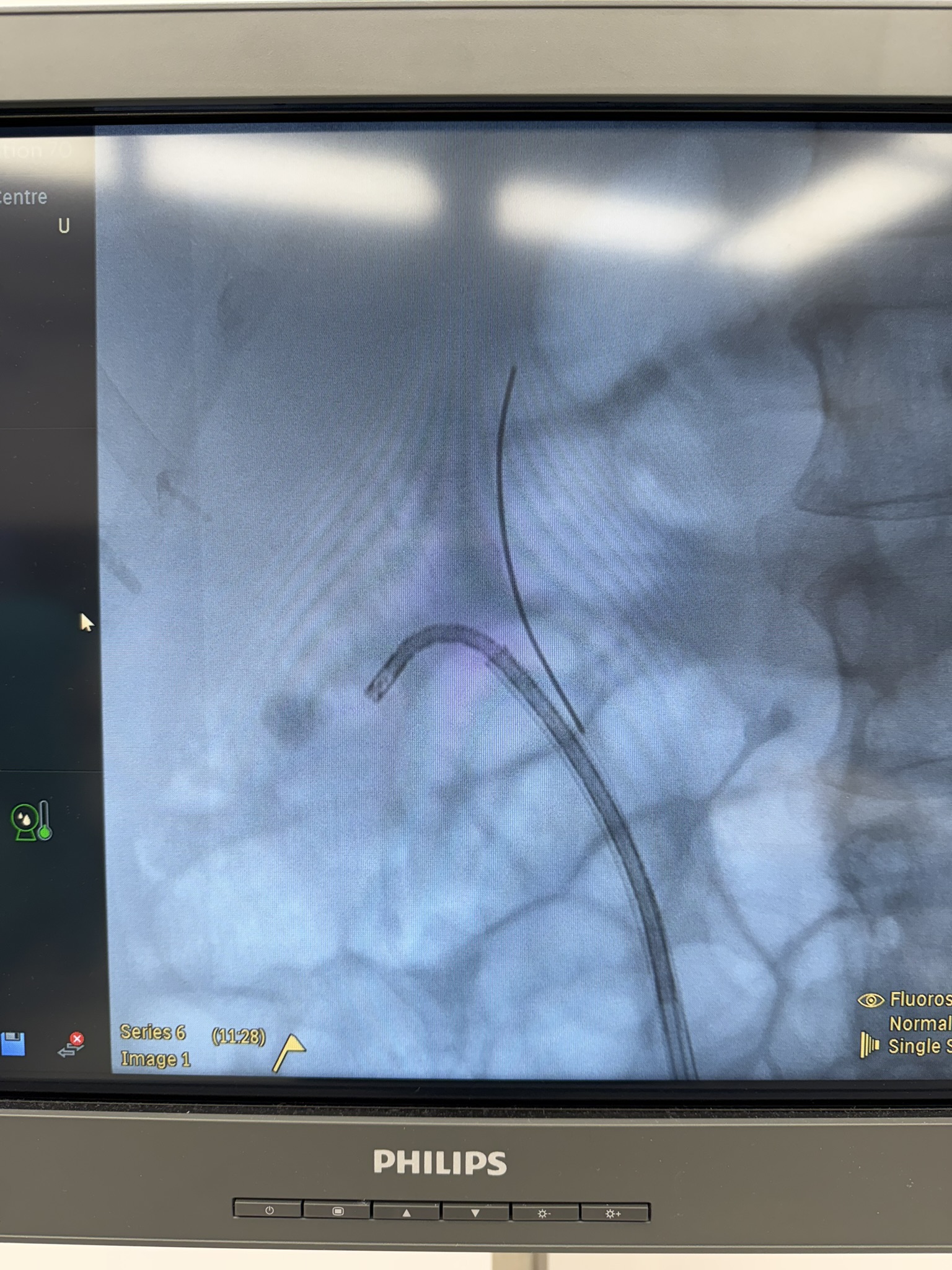
Ureteroscopic lithotripsy (URS) is a minimally invasive endoscopic procedure to treat stones within the kidney and ureter — the tube connecting the kidney to the bladder. No skin incisions are made. A thin, flexible fibre-optic telescope (ureteroscope) is passed through the urethra and bladder, then carefully advanced up the ureter and into the kidney collecting system.
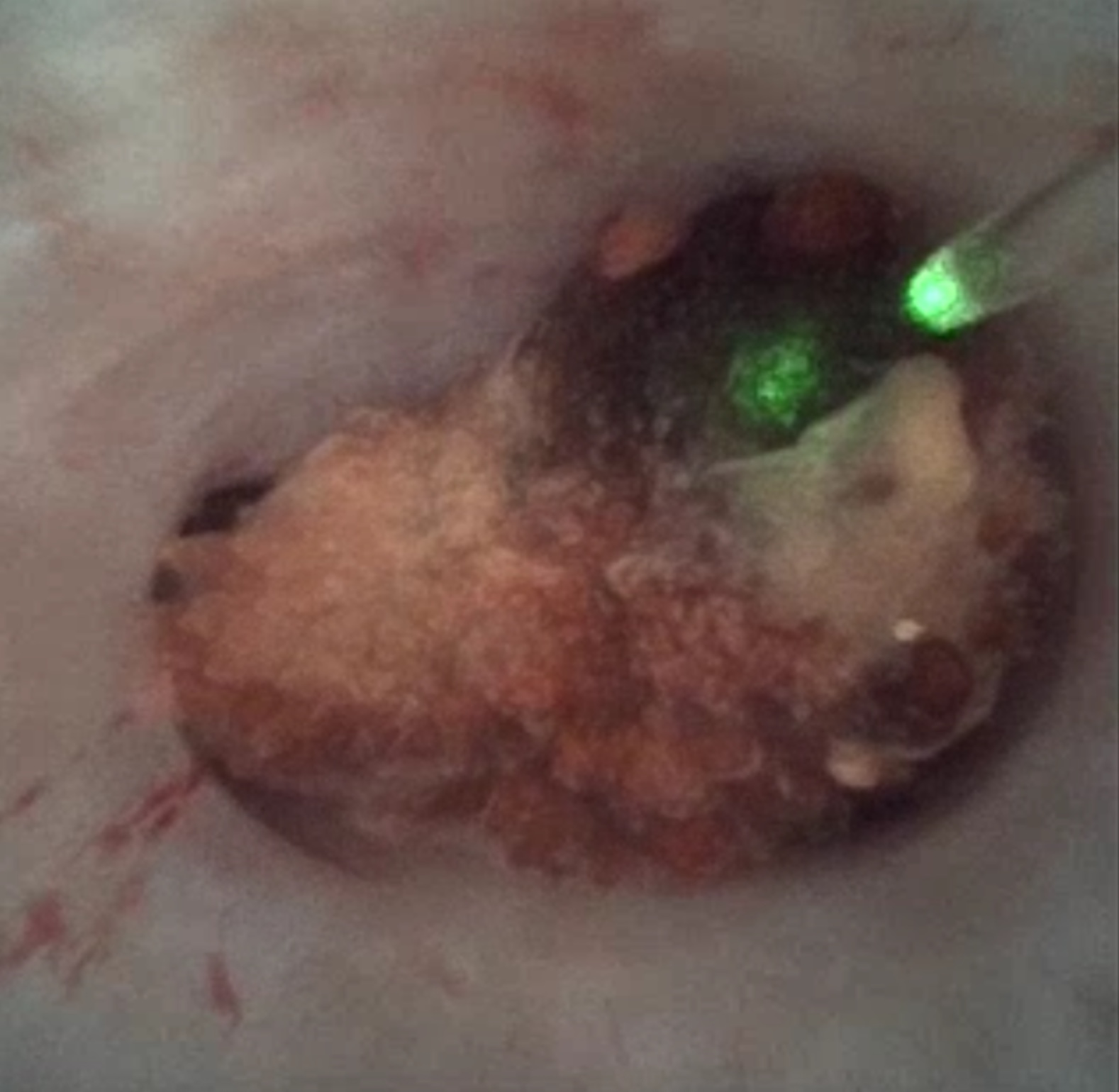
Once the stone is located, a Thulium Fibre Laser fibre is passed alongside the scope to break the stone into fragments or fine dust. Small fragments are retrieved with a small basket device; finer dust particles pass naturally in the urine. The procedure leaves no surgical wound and is carried out under general anaesthesia.
Who needs ureteroscopic lithotripsy?
Ureteroscopic lithotripsy is used to treat kidney stones that have not passed spontaneously and are causing symptoms such as pain (renal colic), recurrent urinary tract infections, blood in the urine, or obstruction to urine drainage from the kidney. It is also used to treat stones discovered incidentally on imaging that are unlikely to pass without intervention.
Common situations in which ureteroscopic lithotripsy is recommended include:
- Kidney stones that have not passed after an adequate period of observation
- Stones causing persistent pain or obstruction
- Stones in professional groups (such as pilots or HGV drivers) where passage cannot be awaited
- Ureteric stones that have not responded to shock wave lithotripsy
- Situations where shock wave lithotripsy is not advisable (for example, pregnancy, certain bleeding tendencies, or unfavourable stone or anatomical characteristics)
What to expect: before, during, and after
Before the procedure
A urine sample is checked before the procedure to exclude infection, as treating a stone in the presence of untreated urinary tract infection carries a risk of serious sepsis. Blood tests and imaging (usually a CT scan) are reviewed. If you take blood-thinning medication, you will be advised when to temporarily stop it. General anaesthesia is required, so you will be asked to fast beforehand.
During the procedure
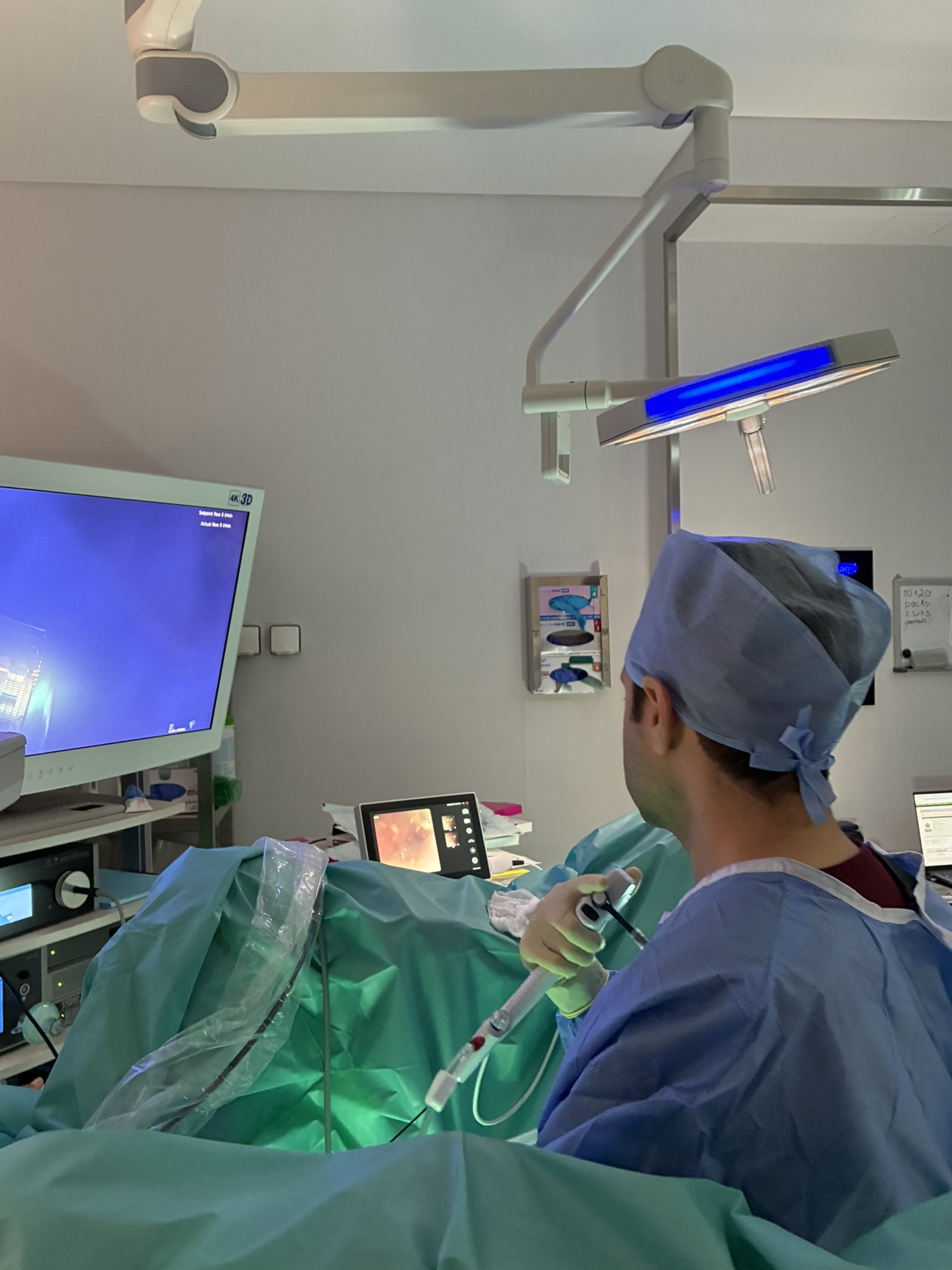
The procedure is performed under general anaesthesia and typically takes 30 to 90 minutes depending on the number, size, and position of stones. A flexible ureteroscope is introduced through the urethra and bladder and guided carefully up the ureter to the kidney. The Thulium Fibre Laser is used to fragment the stone, and a retrieval basket is used to remove pieces. A ureteric stent is usually placed at the end of the procedure.
After the procedure
Most patients recover quickly and can go home the same day or the following morning. You may notice blood in the urine for a few days, which is expected. If a ureteric stent is in place, some urinary frequency, urgency, and mild loin discomfort are common until it is removed.
The stent is removed in the outpatient clinic approximately one to two weeks later using a flexible cystoscope and local anaesthetic gel. This takes only a few minutes and does not require admission to hospital.
Results and stone recurrence
Ureteroscopic lithotripsy with Thulium Fibre Laser achieves stone clearance in the majority of cases, often in a single procedure. A follow-up imaging study (typically an ultrasound or low-dose CT) is arranged to confirm clearance.
Kidney stones have a tendency to recur. Understanding the type of stone — through laboratory analysis of retrieved material or urine testing — allows preventive strategies to be put in place. The most universally applicable advice is to maintain a high fluid intake throughout the day. Additional dietary adjustments or medications may be recommended depending on the stone composition and any underlying metabolic abnormalities identified.
Attending a stone clinic review after treatment gives the opportunity to plan stone prevention and monitor for recurrence.
Frequently Asked Questions
In the operating theatre
Book a consultation
To find out whether this procedure is appropriate for you, please contact the secretary.
Contact us